1:1 mentoring by a working airline pilot

Don't just log hours. Build the habits that command a career.

Your instructor covers the flying. I work with you on how you operate.

Join the waitlist.
For student pilots, PPL through CFI and cadet stage.
Something went wrong, please try again.
I'll only use your name and email to contact you about a place in the program. Privacy policy
✓
You're on the list. I'll contact you myself when a place opens.
“…helped me build a better airline mentality and become more confident in both my flying and ground knowledge.”
Aditya · INSTRUMENT STUDENT · MORE
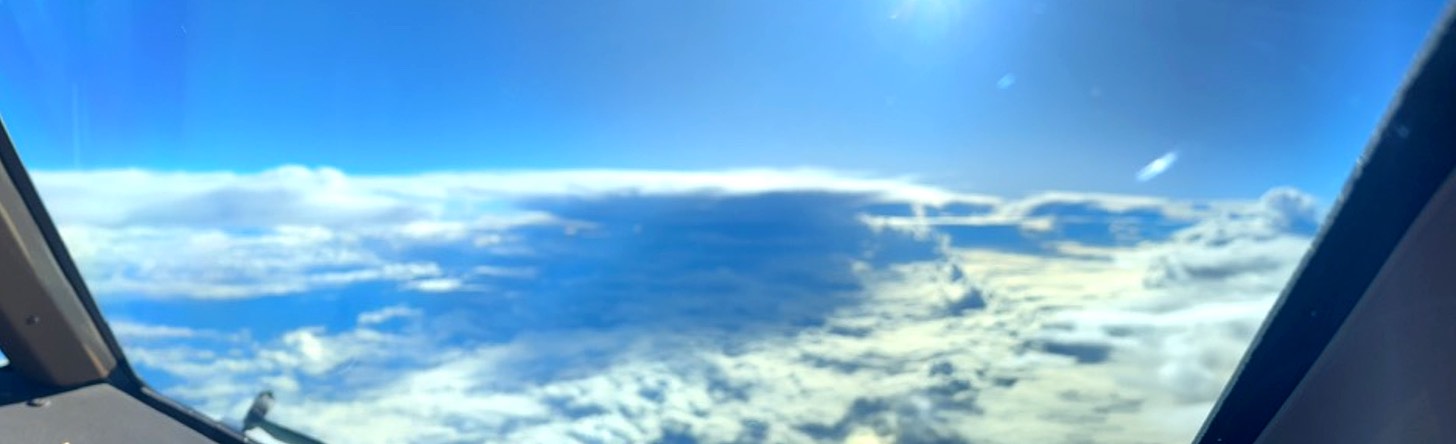
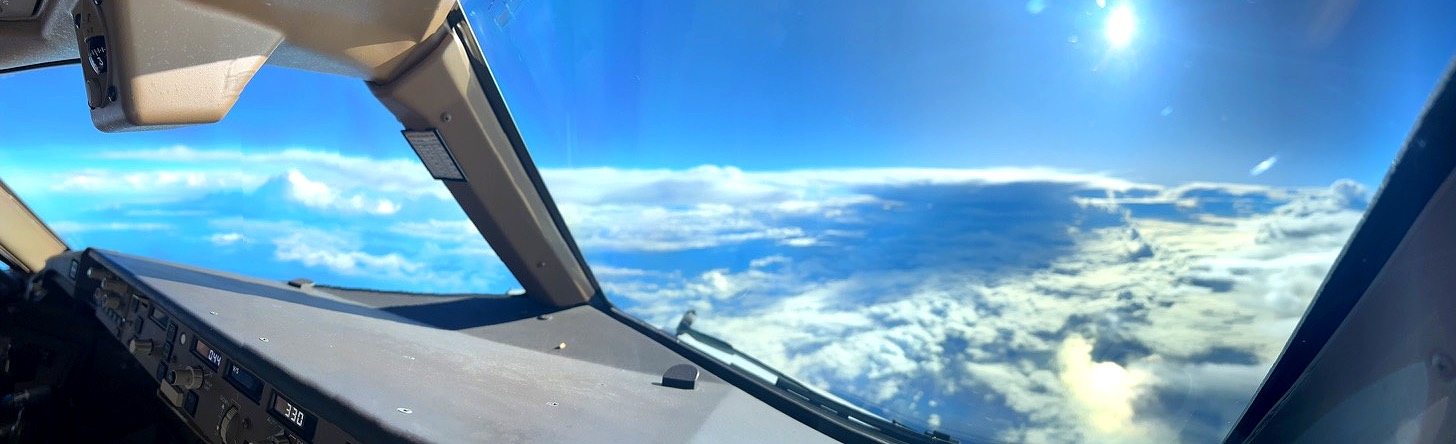
Flight deck view above the clouds at cruise altitude
WHAT WE WORK ON

Six competencies nobody is formally teaching you.

None of them shows up in your logbook, and none of them can be crammed the month before an interview. All of them are essential in an airline cockpit.

01

Everyone tells me something different. How do I decide?

DECISION-MAKING

A structured method, used on ordinary decisions and emergencies alike.

02

How do I tell my instructor this isn't working?

COMMUNICATION

Raising a concern in language someone can act on. Keeping the people you fly with in the loop before they have to ask.

03

I studied this. Why did it fall apart in the oral?

APPLYING KNOWLEDGE

How you study, and how to tell understanding from fluency.

04

I know every step. Why can't I get them in order?

WORKLOAD MANAGEMENT

Getting ahead of the aircraft instead of chasing it, and keeping bandwidth to spare for the thing you didn't plan for.

05

Third instructor in three months. Bad luck, or information?

SITUATION AWARENESS

Noticing what's changed and what it means, in the airplane and in the organization around you. One cancelled lesson is bad luck. Three is information.

06

Isn't leadership a problem for later, when I have the rank?

LEADERSHIP AND TEAMWORK

Taking charge when it's yours to take, backing whoever has it when it isn't, and saying what you think either way.

These are the competencies airline training and assessment are built around, and none of them is logged.

These six are the ICAO and EASA pilot core competencies, minus the three about handling, automation and procedures. Those three are your instructor's. These six are mine.

Not all of it is structure.

You bring me what's actually on your mind and you get my honest answer, including when it isn't the one you were hoping for. Whether your instructor is still the right one. What to do about a stage check you failed. Three bad flights in a row and you've started wondering whether you're cut out for this. That's ordinary mentoring, and it's built into every call.

WHERE THIS FITS

Not a forum. Not interview prep. Not your instructor's job either.

I don't teach handling, procedures, radio work or systems. I work on what the job asks of you after, starting now and in the order your situation demands.

HOW IT WORKS

Three steps toward the flight deck.

1
WAITLIST FIRST

Join the waitlist

When a place opens, we start with an intro call: where you are in training and where you want to end up.

2
ABOUT THREE MONTHS

Three sessions to build it

Fixed order, because each one uses what the last one produced. Together we map where you're going and the route to get there, then build the habits to fly it. By the third session you're running those habits yourself, without me prompting them.

3
ONE COMPETENCY AT A TIME

Then whatever your situation needs next

One competency per session, in the order your training actually demands it. If you've got a school-exit decision with a deadline, decisions come first. If instrument ground school starts next month, study method comes first. You leave every session with two or three action points tied to something physical, not to intention.

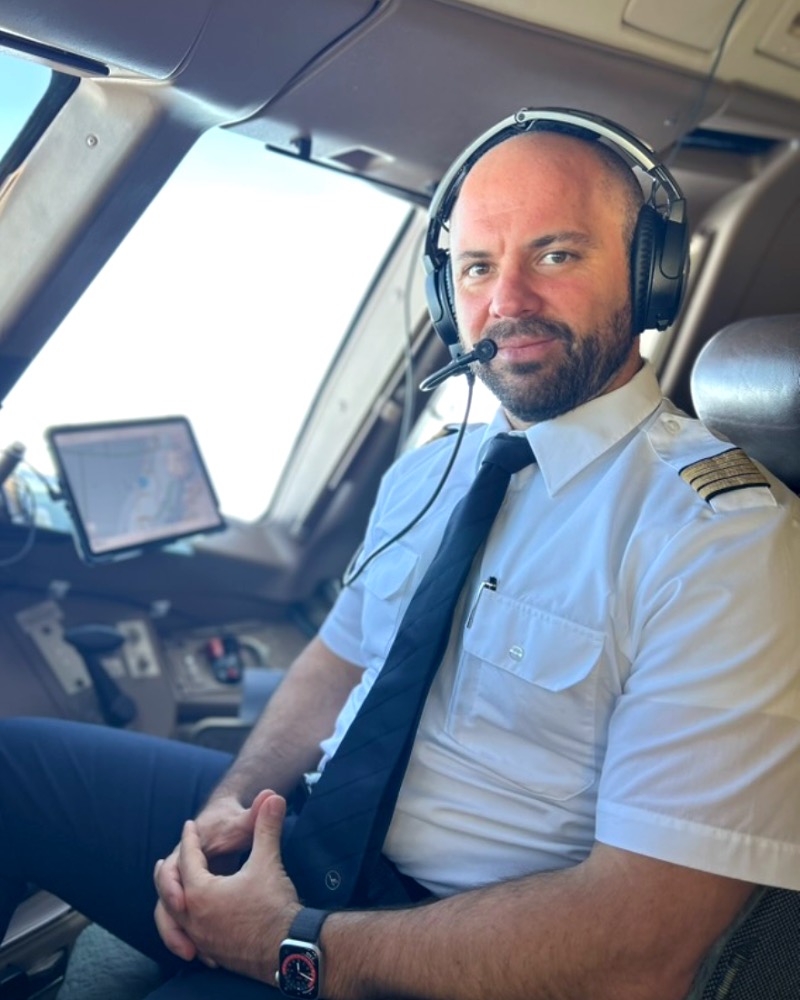
Robert Jonczyk on the flight deck
WHY THIS EXISTS
“I didn't fly a straight line to the flight deck. I failed interviews, made wrong calls, took detours that cost me years. What pulled me through the critical moments was having role models of my own. I built The Command Track to be that for you, so you don't have to learn it all the hard way.”
Robert Jonczyk · Founder, The Command Track
SENIOR FIRST OFFICER · 777F · PREV. A320 · MD-11F
FROM THE FIRST MENTEES

In their words.

When I first started looking into aviation, I honestly didn’t know much about how to even start my career or what steps I needed to take. … He encouraged me to put myself out there, ask questions, talk to people, and not be afraid to take opportunities even when I felt nervous or unsure. When I was applying for the Destination 225° program, he encouraged me to go for it and helped me throughout the application process. Even more recently, when I was unsure about what types of aviation-related jobs I should apply for and ended up receiving a job offer, I reached out to him about it. … He never makes me feel like my questions are silly, and he always takes the time to give me advice and help me see things from a different perspective. His guidance has given me a much better understanding of the aviation career path and more confidence as I work toward becoming a pilot.
Sofia
PRE-PPL STUDENT PILOT · SF BAY AREA
Founding mentee. Received mentoring free of charge.
Working with [Robert] really helped me build a better airline mentality and become more confident in both my flying and ground knowledge. I feel like I approach things more professionally now, and it genuinely gave me more confidence in myself as a pilot. I also liked how practical and easy to apply the advice was.
Aditya
INSTRUMENT STUDENT · WASHINGTON, D.C. AREA
Founding mentee. Received mentoring free of charge.

Individual experiences. Mentoring does not guarantee any rating, interview, or hiring outcome. Testimonials reflect the individual experiences of mentees who received mentoring free of charge and are not representative of all outcomes.

Nobody becomes an airline pilot the day they get their stripes.

You get there by thinking like one years before that.

Join the waitlist →
PLACES

Places are limited.

I mentor alongside a full flying roster, so I only take on as many people as I can work with properly. The current places are taken. Join the waitlist and I'll contact you personally when one opens.

Join the waitlist
FAQ

Fair questions.

Isn't it too early for a mentor? I've only just started.

Early is the only reason this works. The habits take a while to set and they compound on every lesson you fly afterwards. Starting the month before an interview is what doesn't work.

Do I have time for this?

One session a month, up to 70 minutes. In between you can message me, and I reply within 48 hours. The habits cost you about five minutes a flight. That's about an hour a month, against the hundreds of hours you'll spend in the airplane.

What do I actually walk away with?

After three sessions, a system you run yourself: a written list of the behaviors you're building, a brief and debrief habit on every lesson, and a dated record of what you've proved under real conditions. After that, one competency at a time, applied to whatever's happening in your training.

Should I just book interview prep instead?

When you get there, do. I've sat those assessments myself and the prep does what it says: it sharpens how you present what's already there. What it can't do is build it. If you start it in the final weeks, you're polishing whatever habits you happen to have arrived with. That's the part I work on, years earlier.

What do you expect from me?

That you do the work between sessions. There's no contract and no notice period, and you can end it at any point; I'd rather you did than sit through sessions that aren't working. It runs both ways: if the work isn't happening I'll say so, and if nothing changes I'll end it. That isn't a discipline rule. Each session uses what the last one produced, so without the work in between the next one can't run. You'll feel that before I have to mention it.

What won't you help with?

Handling, procedures, radio work, systems. That's your instructor. Medical questions go to an AME, not to me or to a forum. I won't give financial, legal or tax advice; I'll talk about budgeting method, not about what you should do with your money.
Start where you are.

Tell me where you are in your training and what you're aiming at. If it isn't a fit, I'll say so on the intro call rather than sell you something.

“He never makes me feel like my questions are silly, and he always takes the time to give me advice and help me see things from a different perspective.”
— SOFIA, PRE-PPL STUDENT PILOT
Something went wrong, please try again.
I'll only use your name and email to contact you about a place in the program. Privacy policy
✓
You're on the list. I'll contact you myself when a place opens.